



























Enactment of the Ecological Code: A New Era for the Degradable Plastics Industry
On National Ecology Day (August 15), the official implementation of the Ecological and Environmental Code of the People's Republic of China marked a transition for China's degradable plastics industry from voluntary standard adherence to mandatory legal regulation. Pseudo-degradable plastic products that once operated in legal grey areas have been reclassified from non-compliant items to explicit legal violations, carrying penalties of up to 100,000 RMB for non-compliance. Rather than imposing a one-size-fits-all plastic ban, this regulation closes enforcement loopholes, purges market abuses, and establishes fully biodegradable, compliant products as the market baseline—marking a pivotal turning point in the standardization of the disposable plastics sector.

Historical Pitfalls: Rife Fake Degradability and Bad Money Driving Out Good
China's degradable plastics market was previously rife with abuses. To cut costs and maximize profits, numerous manufacturers added small amounts of starch, plant fibers, or photo-oxidative additives to conventional PP plastics, deceptively labeling them as degradable. These pseudo-degradable products merely fragment physically without biodegrading, generating microplastics that contaminate soil and water systems and cycle back into the food chain, severely harming ecosystems and human health.
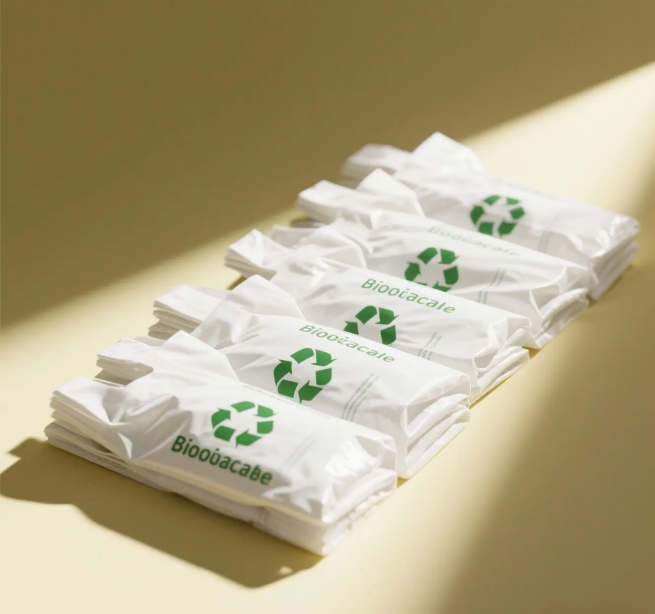
According to the national standard GB/T 41010-2021, compliant degradable products must achieve a disintegration rate of ≥ 90% after 12 weeks in composting tests—a threshold that most pseudo-degradable products fail to meet. Low-cost, inferior pseudo-degradable items have long dominated market share, eroding the competitiveness of compliant businesses producing genuine degradable plastics at higher material and production costs, trapping the industry in a classic "bad money driving out good" dilemma.
Regulatory Implementation: Defining Legal Boundaries and Full-Chain Supervision
The new Code strictly prohibits the production, sale, and use of pseudo-degradable plastics, establishing a uniform legal boundary nationwide and ensuring end-to-end enforcement across production, retail, and end-use applications. The regulatory scope encompasses pseudo-degradable plastic items, ultra-thin plastic bags, single-use foamed food containers, and non-degradable straws.

Penalties are clearly tiered:
Manufacturers & Retailers: Those producing or selling non-compliant products who refuse to rectify violations face fines ranging from 1 to 3 times the product's value, with serious offenses resulting in the revocation of manufacturing licenses.
Commercial End-Users: Supermarkets, food delivery operations, and express courier businesses face fines up to 100,000 RMB, while individual sole proprietors face minimum fines starting at 500 RMB.
Compliance Tracking: Enterprises are required to maintain logbooks tracking plastic product usage for periodic reporting. Over-packaging and failure to report logbooks are regulated as legal violations, effectively closing loopholes for speculation and leaving fully compostable materials such as PLA, PBAT, and PHA as the sole compliant options.
Restructuring the Landscape: Deflating Bubbles and Returning to Quality Competition
The regulations redefine competitive dynamics, ending speculative practices that relied on enforcement gaps and refocusing market competition on product compliance, quality, performance, and distribution strength. For compliant enterprises, the implementation provides legal support that counters unfair competition and safeguards the sustainable growth of the authentic bio-degradable sector.
Product Superiority: Tai Hing BioFil Filament Meets Compliance and Performance Standards
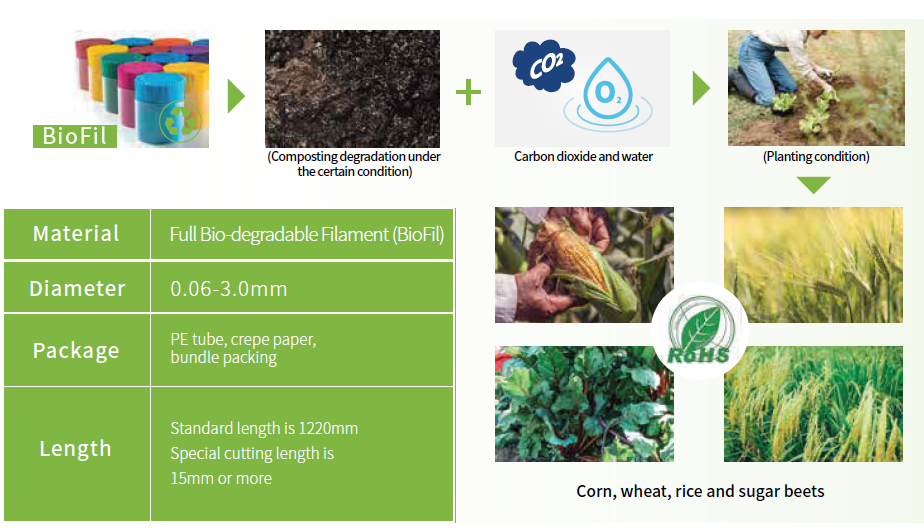
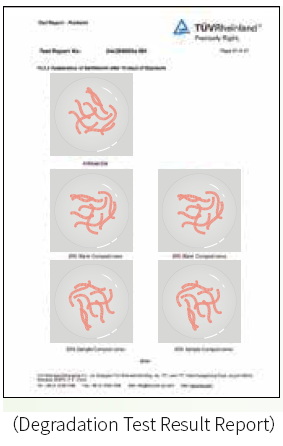
In response to regulatory requirements, Tai Hing invested heavily as early as 2021, completing comprehensive degradation testing over a two-year period to establish an early position in compliant, bio-degradable material research. Its BioFil fully biodegradable brush filament is designed to combine 100% regulatory compliance with practical functional performance.
Made from renewable bio-based raw materials, BioFil decomposes in composting conditions into water, carbon dioxide, and natural organic matter without microplastic residue or environmental contamination, helping brush manufacturers achieve fully degradable final products that comply with green production requirements.
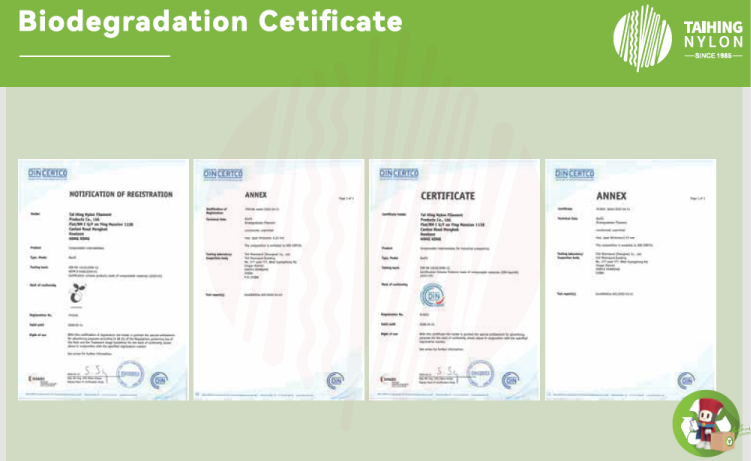
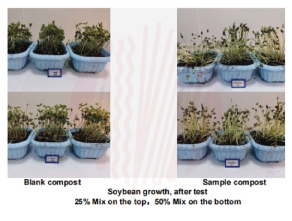
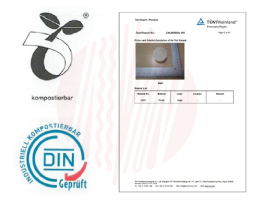
BioFil has obtained international certifications, meeting European EN 13432 and American ASTM D6400 standards. It has passed core testing for chemical restrictions, biodegradation, disintegration, and ecotoxicity, as well as specialized Australian earthworm ecotoxicity testing.
Additionally, BioFil addresses common defects in standard degradable filaments—such as brittleness, low toughness, and breakage susceptibility—by delivering bend recovery rates that exceed national standards alongside improved impact resistance and durability. It is suitable for application in cosmetic brushes, daily-use toothbrushes, and disposable brush products, offering an option for brands prioritizing environmental compliance and performance.
The implementation of the Ecological and Environmental Code establishes clear legal boundaries for the degradable plastics sector. As low-cost pseudo-degradable options are phased out, compliant, high-performance degradable materials represent the primary path forward for industry compliance and green manufacturing.


