















Which Materials Can Be Used for Cleaning Brush Filaments?
The material of cleaning brush filaments determines their cleaning effectiveness and suitable application scenarios. Here are common materials and their characteristics:
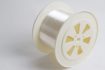
Nylon Filaments (PA6, PA66, etc.): The most widely used; offer excellent wear resistance, rebound resilience, and acid/alkali resistance, making them ideal for everyday and light industrial cleaning. PA612 provides even higher heat resistance.

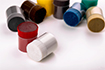
PP Filaments: Cost-effective, high hardness, and corrosion-resistant, suitable for low-cost cleaning. However, they deform easily and lack high-temperature resistance.

PET Filaments: Wear-resistant and heat-resistant with better oil resistance than nylon. Suitable for industrial and greasy environments, though slightly less flexible.

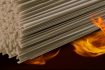
Steel Wire Filaments: Extremely high hardness, suitable for heavy-duty industrial rust and grime removal; prone to scratching soft surfaces.
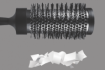
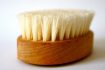
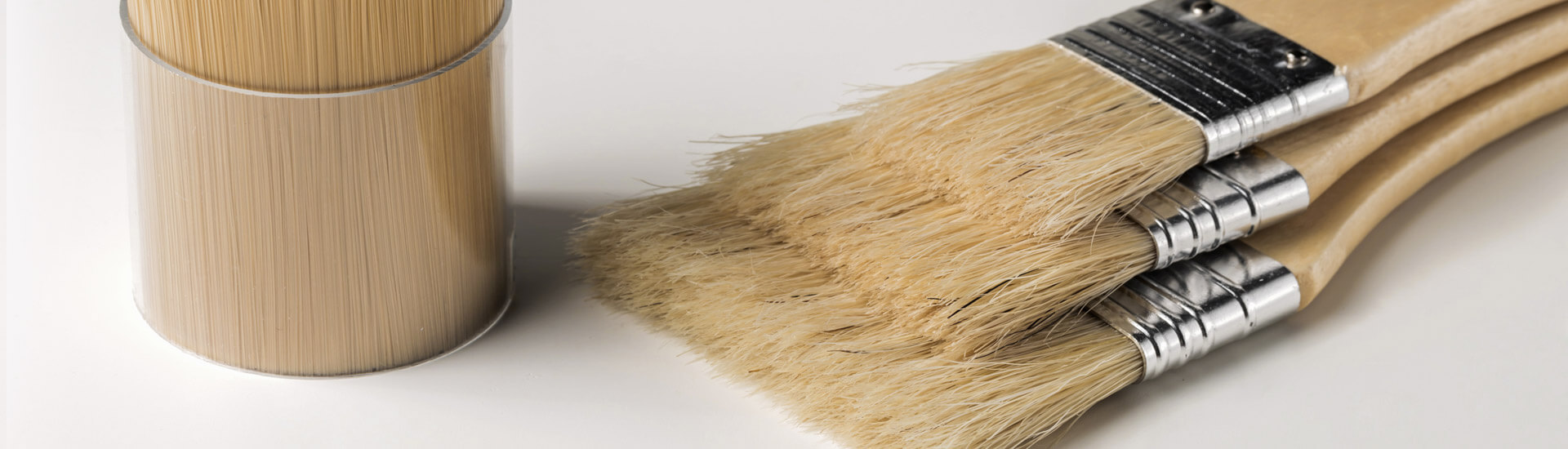
Natural Fibers (Boar Bristles, Coconut Coir, etc.): Eco-friendly and gentle; won't scratch surfaces. Suitable for precision instruments and household cleaning, but have a shorter lifespan.
Selecting the right material based on the specific cleaning task and target object optimizes overall cleaning efficiency.


