
























Are Hydrolysis Resistant Brush Filaments Suitable for Prolonged Water Immersion?
Brushes used in industrial, swimming pool, and household applications are often subjected to long‑term water exposure, raising the question of whether hydrolysis‑resistant filaments are a suitable solution.
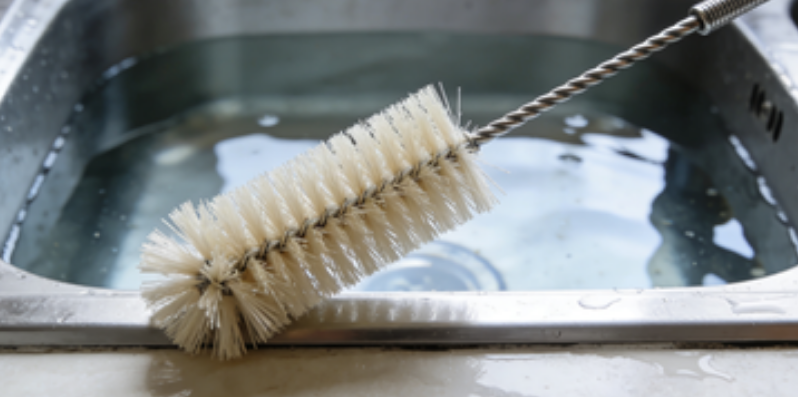
Key Understanding: Hydrolysis‑resistant brush filaments are not completely impervious to hydrolysis, but significantly resist and delay hydrolytic degradation. Compared with conventional nylon filaments, they retain mechanical performance far longer under water immersion.
Standard nylon filaments are prone to molecular chain scission caused by water penetration during prolonged soaking, which leads to brittleness, loss of stiffness, and filament breakage.
Hydrolysis‑resistant grades are specially formulated with hydrolysis stabilizers and acid scavengers, effectively slowing down this degradation mechanism.
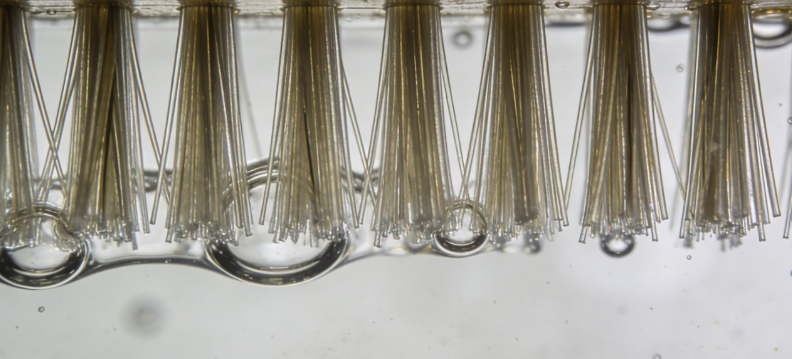
These filaments are suitable for long‑term water immersion under the following conditions:
- Ideal for clean water, mildly corrosive media, and ambient‑temperature environments such as swimming pools and household cleaning.
- Performance may deteriorate in highly corrosive fluids, high‑temperature, high‑pressure conditions, or when using inferior‑grade materials.
- Service life can be further extended by proper maintenance: avoid exposure to extreme chemical environments, clean regularly, and allow adequate drying between uses.
Conclusion: Hydrolysis‑resistant brush filaments represent the premium choice for long‑term water immersion applications, but are not universally indestructible. Consistent performance requires selection of high‑quality, professionally engineered products from reliable manufacturers.


